
By: Peggy Sue Wood | @pswediting
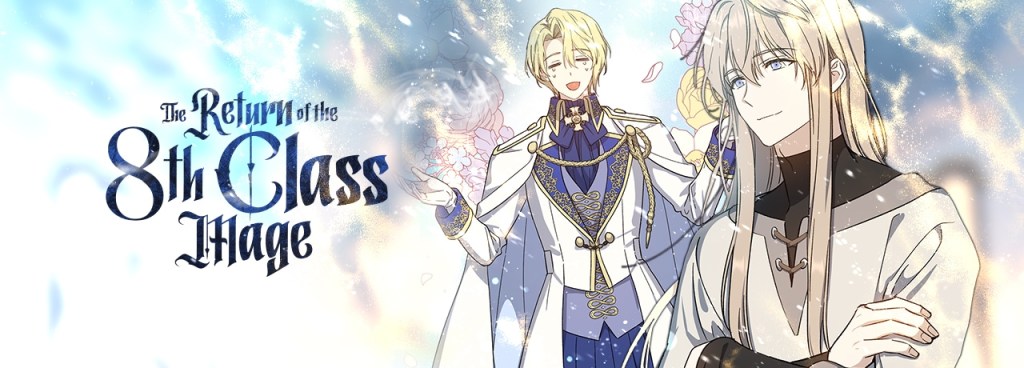
I love Middle Age-inspired stories, mostly because of their interpretation and integration of archetypal ideas regarding what it means to be a King, a Knight, or a Noble. It is something I’ve talked about several times on our blog and something I will undoubtedly continue to examine moving forward. However, rarely have I seen an address to the archetype of a mage, despite so many magic-class central or main characters in these medieval-inspired works. At least, that was until I read The Return of the 8th Class Mage, which is currently available on Tapas.
For those who haven’t read it, or just need a refresher, the story follows Ian Page–the highest mage in all the kingdom and world as we know it. In this particular story, mages can be born in any class, but once identified enter the status of a “mage” within their respective kingdom and must serve their kingdom in a way–whether by becoming a family’s mage, the kingdom’s mage, or a mage of the magic tower.
This takes inspiration, I believe, from the way real-world knights, who were part of the noble classes (but the lowest of them) and had to perform due to birthright, though different in terms of this being a talent-born birthright rather than a lineage-based one. By being born a mage in this world, one either experiences an elevation or lowering in status depending on where/what class you were born into originally.
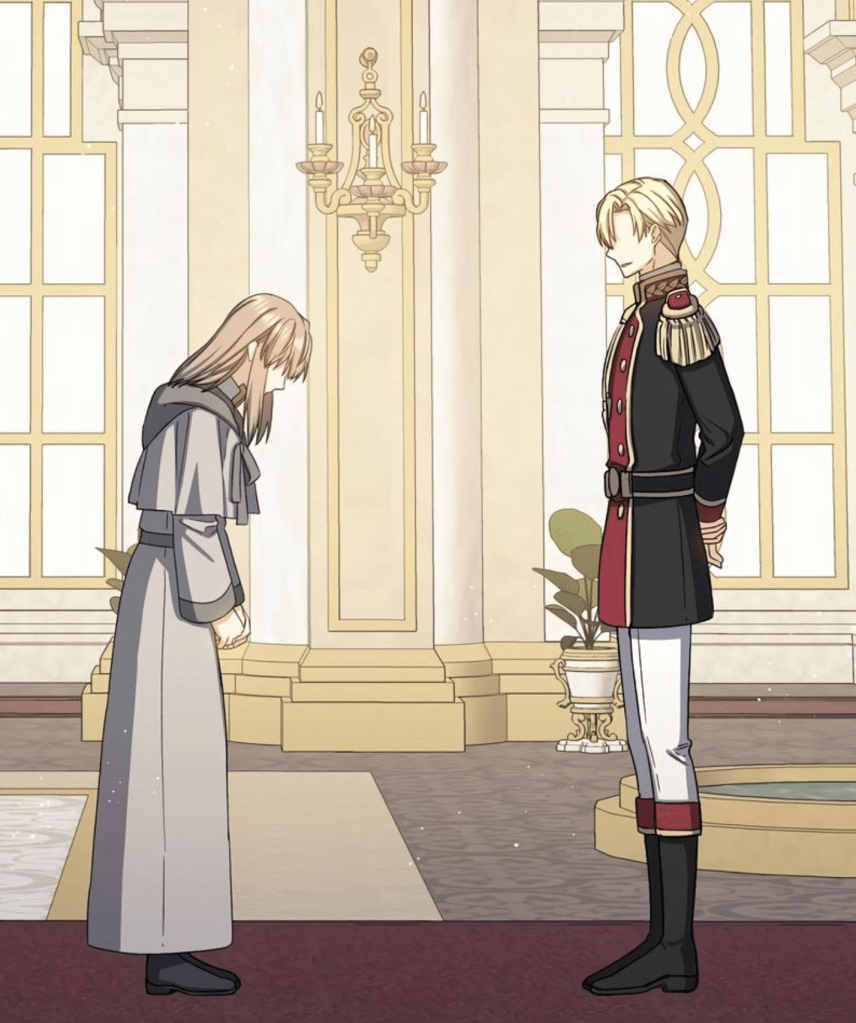
Ian, as a high-class magician, was a mage of the magic tower but also one that served under a specific royal, Prince and later King Ragnar Greenriver. Ian and Ragnar were friends, the best of friends. Ian supported Prince Ragnar, and it was this support that aided the most in Ragnar becoming the King.
After Ragnar becomes King, Ian says he wants to retire and hide away.
Over a short period of time, Ragnar is convinced by those around him that Ian could become a threat, and so–much to both their dismay–Ragnar betrays Ian’s trust and friendship and kills his closest friend. In a last-minute effort to preserve his life, Ian activates a spell that transmigrates him back in time to the point of him becoming a mage.
Thus begins a story of changing allegiances and setting things down a better path that is so typical of these types of stories. Now, controversy, I actually think that Ragnar probably would have been a better King over the first prince (his brother) who eventually takes the throne, as nothing in the story really made it seem like Ragnar was a bad King to the people. There was war, and other things, but ultimately he seems like a well-intentioned ruler looking to expand his borders. Rather than a bad King, it seemed like Ragnar was one who was not well-liked by those in the palace and potentially one whose early mistakes would have been avoided had he been more welcomed by his family and had he not been forced to rely on outside and corrupted help. If anything, the first prince–who fails to see the worth and merit in handling the power and responsibility of the crown–was the least deserving of becoming the King (even the princess would have been better).
However, arguing over what makes a King in this story is not what I want to get into today–rather, we’re here to discuss what makes a proper Mage, and for that, we must first look at the archetype of a Mage.
Who or what is the archetype of the modern mage?
Magic and magicians have been around for a long time, at least in a storytelling sense. For example, in Norse mythology, Odin was a powerful sorcerer and shapeshifter who possessed great knowledge and wisdom. In Greek mythology, the god Hermes was a messenger and trickster who was also associated with magic and alchemy. However, in a contemporary lens, we might think of J.R.R. Tolkien’s Gandalf and Saruman: elders who possess both magical abilities and great wisdom. We may also think of J.K. Rowling’s Harry Potter series, which features wizards and witches of varied magical abilities and personalities, though notably the professors—older, wiser, and sometimes mischievous magicians that they are—would probably align more with the image of a mage or wizard in our minds. This stems from what can be considered the archetype of the modern mage: Merlin.
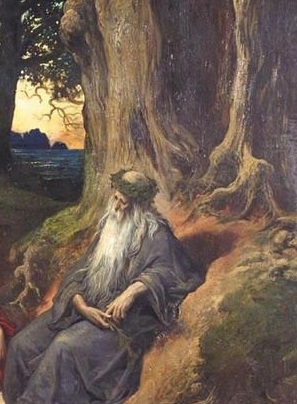
The exact origins of Merlin, as with other Arthurian characters of legend, is unclear, and there are many different versions of his story. Still, from the many tales he appears in, we can piece together that: he is often able to perform magical feats; and he is portrayed as a wise and powerful advisor who helps win battles and makes important decisions. He is also sometimes shown as a flawed character with a dark and tragic backstory.
When we think of a wizard, what often comes to mind is that Merlin-like figure of a wise old man with magical abilities. We think of someone with a common appearance that has an enduring personality, with medieval-inspired robes as their daily garb. Sometimes, the Mage plays pranks. Sometimes, the Mage acts like a cranky old fellow who is leading you to the answer you seek by unusual means, and often the Mage is a storyteller. The Mage is traditionally a powerful influence and closely tied to the advisory position of a King. This traditional image takes inspiration from older examples but is commonly associated with the image of Merlin.
The Mage, as an archetype, is not subservient to the King though he is of a lower or unknown class status. Rather than subservient, the Mage is much more powerful on an individual level and othered because of it. Due to such great power, it is truly only a King that could be the Mage’s friend since only a King would have such great power and responsibility to hold because of their position. Unlike the King or a Knight, where the power comes from the people and vested interest of those people in that person’s bloodline or personhood, the Mage is one who has simply been gifted power by an otherworldly source and will not lose that power if expectations of the people are not upheld.
The Mage is different from the Knight too because he is not expected to be loyal to the King. In fact, the Mage may be suspected of disloyalty at all times because of his great power as an individual, and because they have chosen to give loyalty without the same expectation of needing to keep their word (with the consequences of losing their life or reputation by not keeping to said promises).
For further context, the Knight’s archetype in fiction is expected to be loyal to their lord even at the cost of their own life. This loyalty is not just a matter of personal honor, but it is also seen as essential for maintaining order and stability in the feudal society of the Middle Ages. When a Knight betrays their lord or breaks their oath, they not only lose their honor and reputation, but they also jeopardize the stability and security of the entire feudal system. As such, a Knight’s betrayal is often portrayed as a catastrophic event that leads to chaos and destruction, potentially to the extent that it could cause the downfall of a country. However, a Mage’s influences, which are also large and potentially catastrophic, usually end up working for the best because magic makes it so or because they have otherworldly wisdom and insight into the future.
In a Knight’s story, loyalty and betrayal can become central themes but are perhaps even more impactful in a Mage’s story because it is much easier to resonate with modern audiences who typically have more loyalty to their family and friends—all of whom may be of a higher or lower social and economic status—than to one’s employer (though that is not always the case).
By looking through the lens of friendship and betrayal, as we do in this story of a Mage and a once-future King, we can explore broader themes of loyalty, trust, and the complexities of human relationships. This story highlights the consequences of actions and the importance of making ethical and moral choices in the face of selfish reasons. For example, in the early chapters, Ian encounters the same boy that would later go on to create the poison that killed him. Does Ian help the boy now, even if it means continued destruction? What about the King? Does Ian help Ragnar’s brother become the new King, or does he focus solely on his plans for revenge?
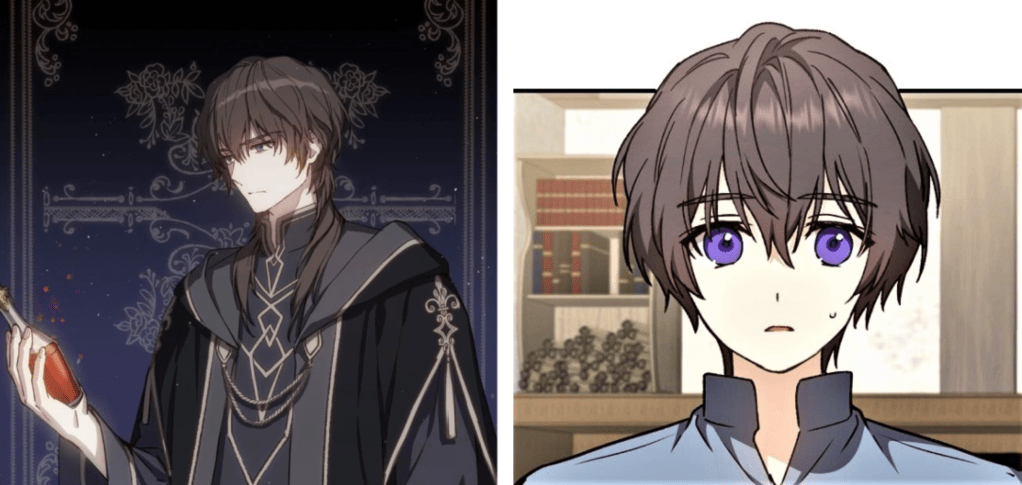
It is a complicated set of ideas, but one that the creators, Ryu Song (류송) and Tess, complete beautifully. In The Return of the 8th Class Mage, Ian upholds that old archetype. Even after the betrayal, he never pledges support to another King candidate even though he does end up helping the first prince take the throne.
Ian keeps his word, even to the promises made in his past life, though he also pursues his own interests. He does, with the past-life approval of Ragnar, gain his revenge and won’t forgive Ragnar, which lends to the continued and lasting ideas of magic wherein the choices you make, intended or not, maintain an impact.
Of the many ways friendship and betrayal can be explored in fiction, the focus this story has on the betrayal itself, the impact it has on the characters involved whether they know it or not, and the process of seeking revenge for the betrayal rather than repairing a damaged friendship, make this particular Mage a truly fantastic embodiment of Merlin’s archetype brought to a modern lens. Ian Page, similar to Merlin, is not really a servant to the King but an equal friend of a lower status. He is the compelling main character of his own story, one who must deal with the responsibility of his otherworldly powers and wisdom regarding future events due to past experiences along with their impact. He is one that must balance his personal interests with living in a society that demands personal wants be put aside for the greater good or for the personal desires of another. This is what makes a Mage according to The Return of the 8th Class Mage, and I can’t help but love it!
–
If you enjoyed this post, please consider buying us a coffee, leaving a comment, and/or subscribing to us below!
Copyedited by: Katherine Cañeba | @kcserinlee
Discover more from The Anime View
Subscribe to get the latest posts sent to your email.


Wow, there’s a lot of complex themes in this manhwa! I’ve been curious about what The Return of the 8th Class Mage was about. It sounds like a really interesting story of revenge! Thanks for the review, it was a great read!
LikeLiked by 1 person