
By: Peggy Sue Wood | @pswediting
I have come to hate the trope of curses and poison being used to try to excuse abusive behavior by characters of various works. It’s an overused cliché that I’ve started to view as a lazy excuse for what is not justifiable.
Firstly, abusive behavior is not acceptable. Whether it’s verbal, physical, or emotional abuse, it can have severe consequences for the victim’s mental and physical well-being. Often, stories that incorporate tropes involving poison or curses as justifications for abuse tend to overlook the profound and lasting trauma inflicted on the victim. Instead, they may opt to replace the victim with a new main character, thereby avoiding confronting the true ramifications of the abuse.
As this narrative choice can lead to intriguing plots revolving around revenge or personal growth, it also perpetuates a harmful notion that victims should simply endure or outsmart their abusers to avoid harm. This notion fosters a toxic mindset that diminishes the complexities and challenges faced by survivors of abuse.
While fictional characters are not real, stories can still have a significant impact on how people perceive and interact with others in real life. So while these stories can be interesting premises, it’s important that we make an effort to clearly articulate why these tropes are problematic.
Secondly, employing poison or curses as explanations for abusive behavior does not justify the actions of the abusive character. Instead, it tends to normalize abuse and perpetuate damaging stereotypes. This narrative device suggests that the abuser is not entirely responsible for their actions, shifting blame onto an external force beyond their control.
The first instance I distinctly recall encountering this troubling narrative trope was in The Abandoned Empress. In this story, the Emperor is depicted as having been poisoned for several years, leading to his prolonged hatred and cruelty towards the main character, Aristia. However, this explanation falls short of coherence, as his animosity towards her dates back to practically her toddler years.
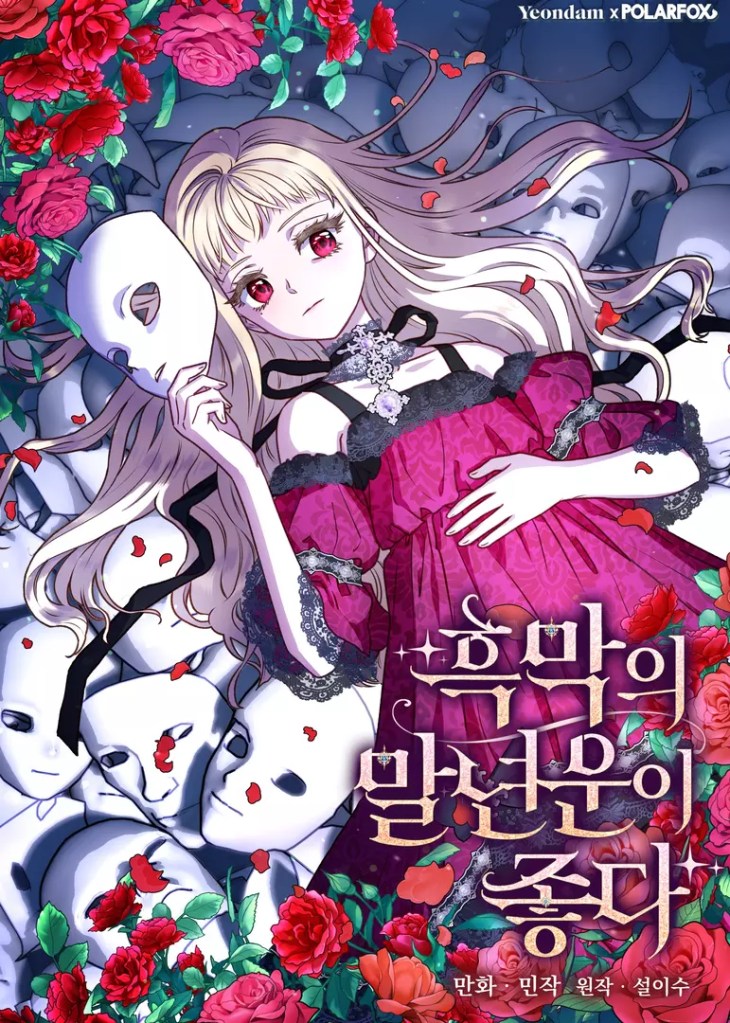
In a more recent example we have The Wirepuller Gets Lucky in Happier Years or The Villainous Mastermind Gets Lucky in His Later Years, which is a story where a curse is used as the reasoning for our main character is abuse by her adoptive family.
If you’ve been reading these types of stories for a while, you’ve likely come across numerous examples beyond just these two. What strikes me about these narratives is the lack of consequences for the abusers. Instead of facing repercussions, they either escape unscathed, are swiftly removed only to be later forgiven, or something along those lines. The consequence of this is that their supposed “redemption” lacks authenticity because it’s not earned. Certainly, an apology after the curse is lifted or the poison cleared doesn’t rectify the harm caused by the abusers.
Some stories fix this in their work later on. One example that comes to mind is Spirit King Elqueeness, a personal favorite of mine. In this story, the abusive family of the victim (our main character) is partially excused early on for abusing their “unwanted” child due to the belief that he wasn’t supposed to have been born on that planet. However, it’s worth noting that the creator takes time to rectify this trope by having an in-universe condemnation of the abusers back on Earth in Chapter 149.
Some stories approach this premise in a different manner by substituting manipulation as the catalyst. This narrative tactic mirrors real-life occurrences frequently depicted in documentaries exploring topics such as cults or compounds. In stories that incorporate manipulation, there’s an opportunity for a sincere exploration of how people can be influenced and potentially redeemed through apologies and efforts to undo the trauma they’ve caused.
What sets these stories apart is that, often, when the abuser recognizes their role and the lack of justification, they may either (1) leave voluntarily or accept being removed, (2) attempt to make amends, or (3) double down on their harmful behavior. These responses reflect real-life scenarios and, while not ideal, they demonstrate a level of accountability and awareness of the story’s implications.
I’m not suggesting that these elements can’t be used as the premise for a story. However, I am expressing my exhaustion with seeing characters being “justified” in their abusive actions, especially towards children, through the use of curses or poison in comics and animation. Poison and curses should not serve as acceptable excuses for abusive behavior. It’s crucial to understand that these mediums significantly influence how people perceive the world around them. Therefore, if creators choose to incorporate such elements, they must devise in-text or in-universe methods to address accountability and eliminate potential confusion.
Additionally, as fans, it’s our responsibility to critically evaluate the media we consume and advocate for positive portrayals of characters that uphold human dignity and foster healthy relationships.
These are my thoughts on this harmful trope. What are yours?
Developmental edits by: Krow Smith | @coffeewithkrow
Discover more from The Anime View
Subscribe to get the latest posts sent to your email.
