

By: Peggy Sue Wood | @pswediting
Disclaimer: MATURE CONTENT WARNING – This post contains content that we at The Anime View do not think is suitable for everyone. Possible triggers or subjects could include kidnapping, assault, and trauma. By clicking “Read More,” you understand that you may encounter such content. Reader discretion is advised.
Lately, I found myself revisiting some older works as I tried to find a few recommendations for a friend. This journey led me back to the anime Antique Bakery, a series that initially left me contemplating what the point of the plot was for a few years after watching it. However, as an adult, I believe I’ve finally grasped its meaning and nuances.
The series follows Tachibana Keiichirou, who opens a bakery called “Antique,” where he primarily serves as the manager and waiter. He is supported by Ono Yusuke, a pastry chef, Kanda Eiji, a waiter and kitchen staff member, and Chikage Kobayakawa, Tachibana’s childhood friend.
While Antique Bakery falls somewhat into the BL (Boys’ Love) genre, it leans more towards the concept of an adult host club set within a charming cake shop. Although the series doesn’t revolve solely around romantic relationships, it does introduce an openly gay character with Ono and injects hints of potential romantic entanglements with Chikage amongst the series’ comedic cast and dramatic turns in the plot. It is often focused around the workplace, the creation and development of pastries, or romantic intrigue. The narrative predominantly emphasizes comedy, offering a blend of humor against the unconventional backdrop of the cake shop, which is soon established as a coping mechanism for Tachibana’s trauma.
Although the series unfolds as a slice-of-life story without a central plot because of the elements mentioned above, Tachibana’s past begins to play a pivotal role as he’s driven by his trauma of being kidnapped as a child. As an adult, he grapples with the unresolved trauma from his kidnapping, unable to consume the cakes he sells as a result of the kidnapper—who he does not remember fully—only feeding him cake when he was confined. The storyline intensifies when a new kidnapper emerges, mirroring Tachibana’s past, prompting collaboration with the police to apprehend the criminal. Since investigators believe the kidnapper to be the same person as Tachibana’s from years prior as the perpetrator was never caught. They catch the new culprit, but Tachibana’s kidnapper—the one that traumatized him as a child—remains free and anonymous even to the end of the show and manga.

Despite the weighty themes and the presence of a kidnapping plotline, Antique Bakery maintains a predominantly comedic tone, leaving viewers like myself confused by the heavier storyline that takes a back seat a majority of the time. After watching the anime all those years ago and reading the manga, the series left me wondering what the point of the darker elements were.
In revisiting the series now, I believe that I’ve come to realize that this is where the core of the series emerges, a core that focuses on the characters’ journey of letting go of trauma and moving forward by forgiving one’s self for being helpless.

As we are probably all aware, traumatic experiences can leave deep emotional scars that may linger long after the event itself has passed and physical trauma heals. One common struggle that many individuals face in the aftermath of trauma is overcoming that feeling of helplessness during the traumatic event. I think that children are particularly susceptible to this, but so too are adults because it’s hard to imagine that our agency was ever taken away during a traumatic event, whether that event was an assault, a natural disaster, or another harrowing experience in childhood.
The sense of powerlessness can be overwhelming and the natural reaction—based solely on my own experiences—is to reactively and instinctively protect ourselves from further harm and to try to ignore or discount the helplessness we once felt. This can instead lead to feeling a profound sense of guilt, shame, and self-blame in the aftermath of the traumatic event. This may not be everyone’s experience, but I’ve certainly been through that guilt, shame, and self-blame before, which has led me to believe that forgiving yourself for feeling helpless in a traumatic situation is crucial for being able to truly move on from what happened. A sentiment that Antique Bakery seems to mirror through the series by having Tachibana deal with different aspects of his trauma as an adult (long after the kidnapping) as a recurring storyline.
As time has passed, this aspect of Tachibana dealing with trauma that sort of takes over the background of the more slice-of-life content in Antique Bakery shows that the core of this narrative isn’t really about solving a crime from long ago or about reliving trauma and overcoming it with brute force. Rather, this is a story about learning to forgive yourself for having experienced that trauma, and for what that trauma caused you to do and feel after.
Very telling of this, in my opinion, is that Tachibana’s kidnapper never gets apprehended in the series. Therefore, this is a story about learning to let go of trauma, to move past it, rather than succumbing to it, and that the way to do that—sometimes—is by forgiving yourself for being helpless. The same as what Tachibana seems to do in the end of the series given that he “can’t remember and can’t forget”.

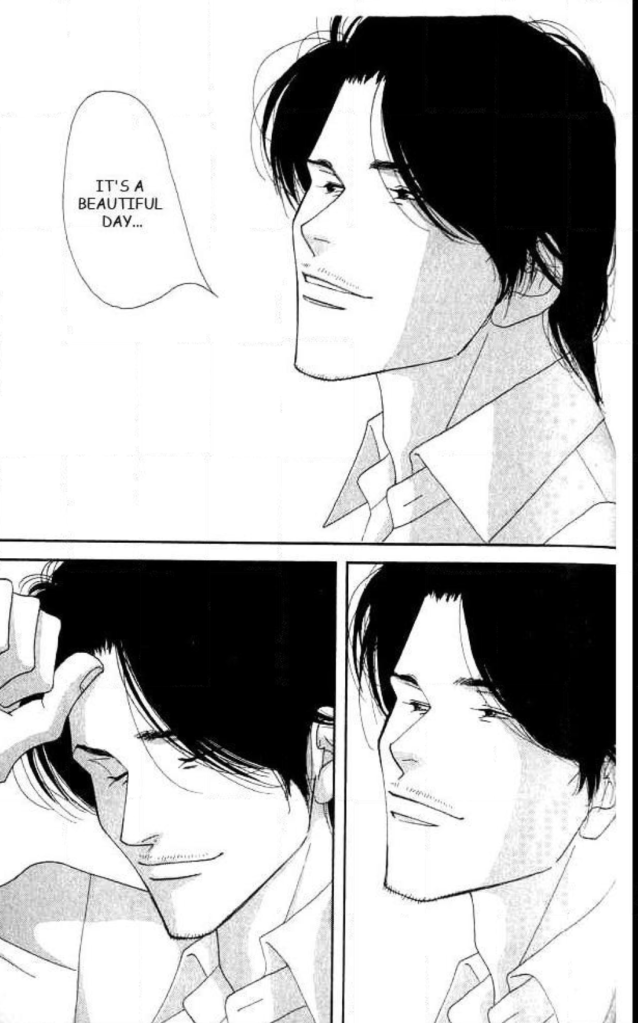
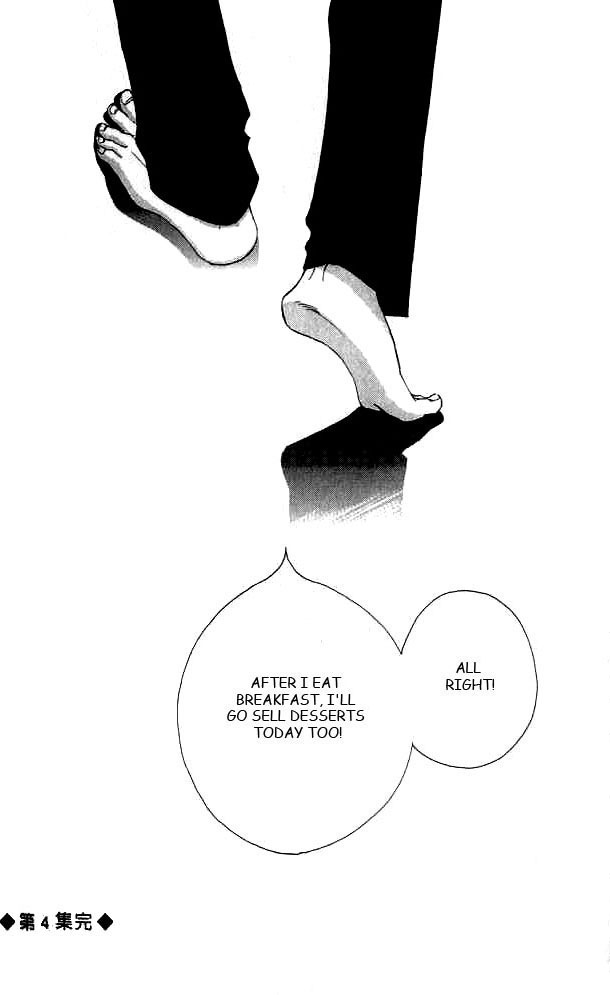
In reflecting on the series, Fumi Yoshinaga’s creation serves as a poignant reminder that moments of helplessness are not always—and in fact most often not—our fault. The work gives audiences a way to see a path for recovery through self-compassion, through community, and through embracing growth. As Yoshinaga’s work reminds us, with time and compassion for yourself, you can reclaim your sense of empowerment and resilience just as Tachibana does at the end of the series. This is a really powerful and sincere message that I think sometimes gets lost to those first seeing this series and certainly a message I struggled with at first too.
So, if you haven’t already, and are looking for a series to pick up, I highly recommend Antique Bakery! Both the anime and manga are wonderful.
—
Developmental Edits By: Krow Smith | @coffeewithkrow
Discover more from The Anime View
Subscribe to get the latest posts sent to your email.
