
By: Peggy Sue Wood | @pswediting
Recently, the Barnes & Noble in my new hometown in South Carolina faced a scare when their rental contract was about to expire. The situation caused a lot of commotion and led to a huge sale, which, of course, sent me into full-on “buy-all-the-books” mode. I ended up picking up over ten volumes of various series—some I had already read and wanted in print, and others were new to me, like the one I’m reviewing here.
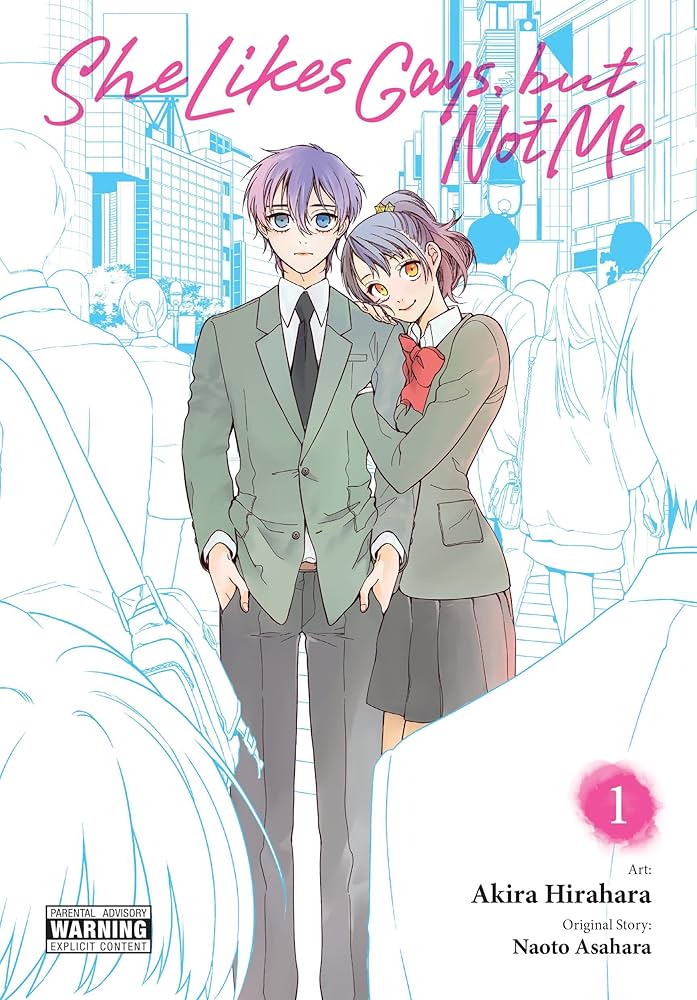
She Likes Gays, But Not Me Vol. 1 was the last book I picked up from the pile, and it really helped me kick off my New Year’s goal of reading a book a month. After finishing two quick one-shots earlier that evening, I dove into this title—and I couldn’t put it down.
I ended up searching for the rest of the series online (you can find it on Amazon Kindle, by the way) and finished it all in a single night. Let me just say, this series truly impressed me.
I don’t want to spoil too much, as it’s one of those stories you have to experience for yourself to truly understand. However, the raw honesty in this work reminds me a bit of How I Met My Husband—though it’s not autobiographical. It’s a young adult fiction series that deals with coming out, but it’s about so much more than that.
At its heart, it’s a story about mistakes, struggles, and pain. It’s also about trying to love yourself despite all of that. The emotional depth and vulnerability of the main character, Jun Andō, really struck me, definitely making the series worth checking out.
This series contains dark and triggering content, including themes like attempted suicide, sexual relations between an adult and a minor, discussions about HIV, and other challenging topics. These issues are not always handled sensitively, but that rawness is part of what makes the story impactful. As difficult as it is to acknowledge, these are real issues that some people face at this age. Not for everyone but certainly true for some.
The book is filled with what I would call problematic and concerning experiences, from cringe-worthy teenage moments to unsafe behavior explored by Jun. Yet, it is also filled with a deeply honest reflection on the internal conflict of trying to achieve an idealized, “normal” life. This notion of “normal” is often shaped by media and societal expectations, rather than the messy, flawed reality that life actually is.
Published in 2018, the story feels rooted in the earlier 2010s, with references to iPods and older smartphones. The way characters interact and respond also reflects that time period, which, while not far removed from today, shows how much has changed in terms of LGBTQ+ representation over the last decade. Back then, positive portrayals of queer lives were few and far between—something that, unfortunately, is still true in many respects, though it is improving. Only recently has the literary world begun to offer more hopeful and fulfilling endings for LGBTQ+ characters.
While the ending isn’t overwhelmingly joyful, it does offer a sense of hope despite the difficult challenges the characters face along the way.
After reading the story in its entirety, I decided that it would be wrong not to recommend this book to readers who can handle its dark themes and cringe-worthy moments in exchange for the hopeful conclusion. It’s an emotionally intense journey, but one worth taking.
–
If you enjoyed this post, please consider buying us a coffee, leaving a comment, and/or subscribing to us below!
Copyedited by: Krow Smith | @coffeewithkrow and Katherine Cañeba | @kcserinlee
Discover more from The Anime View
Subscribe to get the latest posts sent to your email.
