
By: Peggy Sue Wood | @pswediting
A few years ago, I took a summer class on anime and manga. It was really fun for me, and introduced a lot of new perspectives to me about ways to examine the medium. Several times we were asked to post journal entries on the topic of that week, and one topic that stood out to me was the idea of artistry and tradition.
I’ve been exploring this idea for a while now after reading/watching a handful of series recommended to me by a friend on the themes of traditional dances/performing arts and family legacy, like Karakurizoushi Ayatsuri Sakon, CODA (shounen-ai, I believe), and Hanakoi Tsurane (yaoi) to name a few. There are a mix of many other titles that I’ve added to this exploration over time, like Showa Genroku Rakugo Shinju, but I digress.
I think that the devotion shown to the performing arts heavily relates back to Japanese traditions in a way that is not matched in Western, and—more specifically—American traditions. The 2008 documentary, Manga Mad, sort of solidified this idea for me that this noted difference is not a far stretch from how those raised in the culture might view it too, such as attributing the ease of comic integration into media as akin to the pictorial and artistic nature of the language and history of art (and maybe, to a lesser extent, the idea of figurines being akin to the history of effigies, though I’m not sure I completely agree).
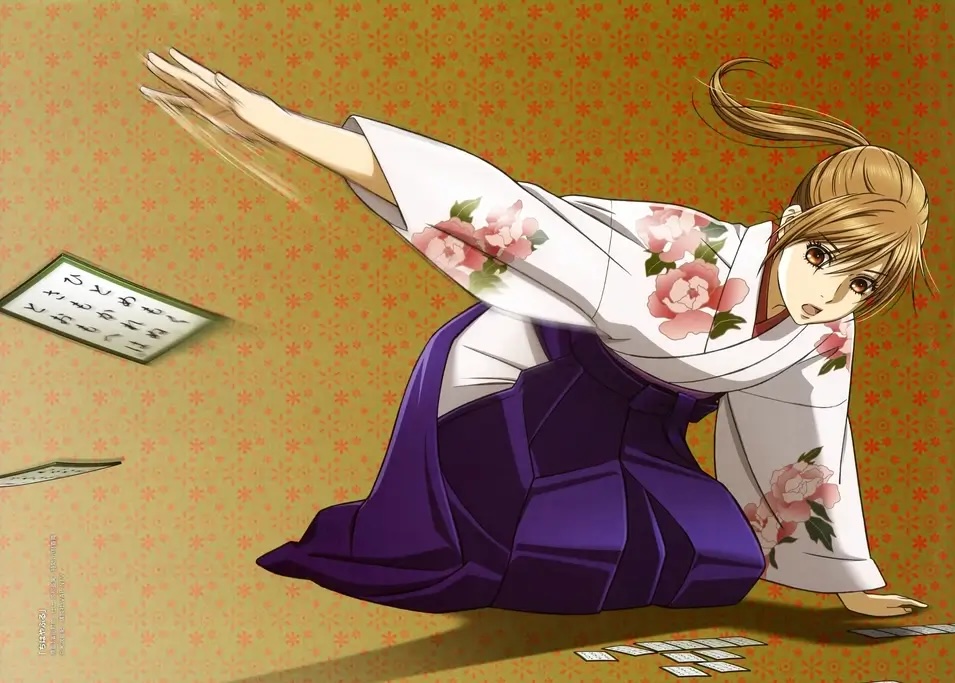
The games of karuta (featured in Chihayafuru) and shogi (featured in March Comes in Like a Lion) can also find a place in this idea. They’re not just games—rather, they have a long cultural history that sometimes relates closely to family too. The closest personal example I can think of of how a game relates to family is that my dad’s side are all chess players. They’re not competitive or professional, but every holiday, someone brings a chess set, and at family reunions, you’ll often see a few games set up on tables throughout the spaces we visit. The game of chess has a long history and cultural significance, but it also has an additional meaning to my family that I felt was reflected well in a handful of characters from some of these anime I’ve listed, though they are all in a different artistic or game category.
When I think of Western media, I find it difficult to find a comparable title wherein these traditions and arts are as thoroughly explored. Sure, you can find dance-themed content (Angelina Ballerina (2002) for an example from my childhood) or depictions of characters playing chess and other games, but rarely is there a series that devotes to these traditions so thoroughly and ties so heavily to the family that it becomes a memorable show…. Sadly, the best examples I can think of that are close to this concept include shows like Blue Bloods, a police procedural drama that focuses on the Reagan family, who are all involved in law enforcement in New York City, and sort of tearing themselves and the legal system apart in it or crime shows Weeds, Sons of Anarchy, or Yellowstone.
Our depictions of artistry like dance or chess, if not in a documentary style video, are often symbolic of something else in modern works. Dance becomes the method through which women are shown to be suppressed or tragic like in Black Widow or chess is a method of revealing a smart person’s plan. It’s not really about those things and the characters devotions. Perhaps the best western example close to this that I can think of is Shall We Dance? (2004) but that is, in fact, a remake of the acclaimed 1996 Japanese film of the same name which, having watched both, was ultimately better in my opinion. Maybe Save the Last Dance then?
The cultural significance of entertainment is important across all cultures, but I believe that Japan has one of the more unique ways of going about these things because of the long preservation of stories and materials. For example, when a Noh mask is chipped, it is not replaced. It is sometimes repaired or left as it is and continuously used, which is very different from the Western perspective of change, replacement, adaptation, and “updating,” etc.
Expanding on this, do we, in American media, have animated stories wherein these ideas of artistry and traditions are explored thoroughly in addition to the characters? I don’t know that we do. At least, all the examples I’ve listed here are live-action depictions and I struggle to find animated or comic examples. Would Leap! (or Ballerina, the 2016 animated film) even count?
It’s a topic I am still reflecting on and thinking about, but I found it really fascinating to view from the Western perspective.
Those are my thoughts, but what about you all? Do you have better examples I might be overlooking for this topic? If you agree, disagree, or have examples—please share in the comments!
–
If you enjoyed this post, please consider buying us a coffee, leaving a comment, and/or subscribing to us below!
Copyedited by: Katherine Cañeba | @kcserinlee
Discover more from The Anime View
Subscribe to get the latest posts sent to your email.
