
By: Peggy Sue Wood | @pswediting
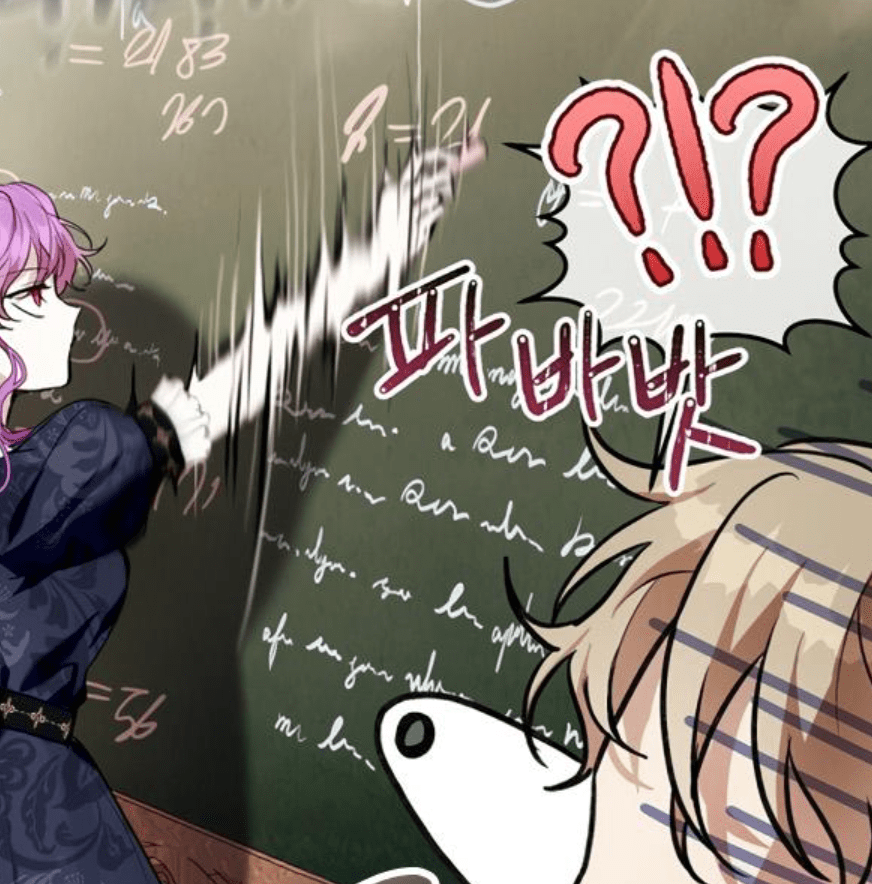
Recently, I’ve noticed a strong preference for STEM fields overlapping with magic, which has piqued my interest. For example, in Magic & Knights, coding is magic; Isn’t Being a Wicked Woman Much Better?, math at a college level is magic; Chichi wa Eiyuu, Haha wa Seirei, Musume no Watashi wa Tenseisha., chemistry and periodic table knowledge allows the main character to do magic; Undercover Academy Professor, math is magic again; Parallel World Pharmacy, pharmaceutical knowledge, and chemistry is magic. This trend is everywhere, and it makes me wonder why that is.
While I can see the use of math as a medium to help explain the workings of magic, I find it odd that there is not more use of literary-based samples. Some of these series even start of in a literary or poetic bases, having characters still use chanting, reading from a books, and language to perform magic at the beginnings. However, the main characters often find that math and science-related fields are better suited and useful despite this specified knowledge playing a minor role in the ultimate explanation and continuing use of magic in the series moving forward. I mean, I don’t see a lot of these characters breaking down the chemistry of everything they make, it tends to just happen after the first few uses of magic or as a quick reminder later on.
One of the few times I see consistent uses of language in magic use outside of chants or saying the name of the spell out loud is the SAO Fairy Arc (and more so the abridged version), though that, too, was limited.
This is strange to me since there are very rich literary backgrounds in both historical and contemporary culture that could be drawn from for the use of magic in all of these works. For example, in the US, spoken poetry is performed regularly, and in Chinese custom, winding stream parties have significant relevance that could lend themselves to combination spells and magic. Rather than chanting, poetry creation or being able to understand the meaning and then “feel” the words could be a great defining magical entry into the world. This is a trope that I have yet to see in these types of stories, despite consuming them regularly.
I believe that there are hundreds of literary and other humanities-based forms beyond artistic drawing and runes that could be used to implement magic in innovative and creative ways that go beyond chants or mathematical equations—ways that would not violate copyright or intellectual property infringement either.
What do you think? Is STEM the best way to approach magic at the moment, or do you also think that we could change the trope towards the humanities? Let me know your thoughts, please!
–
If you enjoyed this post, please consider buying us a coffee, leaving a comment, and/or subscribing to us below!
Copyedited by: Katherine Cañeba | @kcserinlee
Discover more from The Anime View
Subscribe to get the latest posts sent to your email.

This reminds me how magic is explained in Isekai Ojisan. While it’s not via literary or poetic manners. The MC has to do, essentially, a shark-tank pitch to perform his magic. But, it’s only because he doesn’t do the magic himself, he “makes a deal” with the corresponding spirit. When you are given access to their magic, they do ask your end of the bargain. Altough, sometimes what the spirit asks is a bit looney.
LikeLike